
Find out why belly fat is more common after menopause, the danger it poses — and what to do about it.
An expanding waistline is sometimes considered the price of getting older. For women, this can be especially true after menopause, when body fat tends to shift to the abdomen.
Yet an increase in belly fat does more than make it hard to zip up your jeans. Research shows that belly fat also carries serious health risks. The good news? The threats posed by belly fat can be reduced.
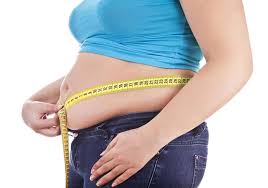
What exactly causes Belly Fat?
Scientifically, Your weight is largely determined by three main factors:
- How many calories you consume during the day
- How many calories you burn off through daily exercise
- Your age
If you eat too much and exercise too little, you’re likely to carry excess weight — including belly fat.
Also, your muscle mass might diminish slightly with age, while fat increases. Loss of muscle mass also decreases the rate at which your body uses calories, which can make it more challenging to maintain a healthy weight.
Many women also notice an increase in belly fat as they get older — even if they aren’t gaining weight. This is likely due to a decreasing level of estrogen, which appears to influence where fat is distributed in the body.
The tendency to gain or carry weight around the waist — and have an “apple” rather than a “pear” shape — might have a genetic component as well.
Why is Belly fat more than subcutaneous fat (Skin deep) ?
The trouble with belly fat is that it’s not limited to the extra layer of padding located just below the skin (subcutaneous fat). It also includes visceral fat — which lies deep inside your abdomen, surrounding your internal organs.
Although subcutaneous fat poses cosmetic concerns, visceral fat is linked with far more dangerous health problems, including:
- Heart disease
- Type 2 diabetes
- High blood pressure
- Abnormal cholesterol
- Breathing problems
Research also associates belly fat with an increased risk of premature death — regardless of overall weight. In fact, some studies have found that even when women were considered a normal weight based on standard body mass index (BMI) measurements, a large waistline increased the risk of dying of cardiovascular disease.
Trimming the fat
You can tone abdominal muscles with crunches or other targeted abdominal exercises, but just doing these exercises won’t get rid of belly fat. However, visceral fat responds to the same diet and exercise strategies that help you shed excess pounds and lower your total body fat. To battle belly fat:
- Eat a healthy diet. Focus on plant-based foods, such as fruits, vegetables and whole grains, and choose lean sources of protein and low-fat dairy products. Limit added sugar and saturated fat, which is found in meat and high-fat dairy products, such as cheese and butter. Choose moderate amounts of monounsaturated and polyunsaturated fats — found in fish, nuts and certain vegetable oils — instead.
- Replace sugary beverages. Drink water or beverages with artificial sweetener instead.
- Keep portion sizes in check. Even when you’re making healthy choices, calories add up. At home, slim down your portion sizes. In restaurants, share meals — or eat half your meal and take the rest home.
- Include physical activity in your daily routine. For most healthy adults, the Department of Health and Human Services recommends moderate aerobic activity, such as brisk walking, for at least 150 minutes a week or vigorous aerobic activity, such as running, for at least 75 minutes a week. If you use a step counter, remember that it takes an average of 10,000 steps a day to prevent weight gain. Some studies indicate it might take 15,000 steps a day to prevent the regain of weight after significant weight loss. Strength training exercises also are recommended at least twice a week. If you want to lose weight or meet specific fitness goals, you might need to exercise more.
- To lose excess fat and keep it from coming back, aim for slow and steady weight loss
Today I wanted to share a pic with you that shocked me to the core…
This pic is of a woman named Patricia Wron and why I’m so impressed is because she lost 37lbs in literally a matter of weeks! And…
What’s even crazier… is that she was a 45 year old, out of shape diabetic with a serious thyroid problem and managed to make this completely vanish by eliminating 2 vegetables from her diet!
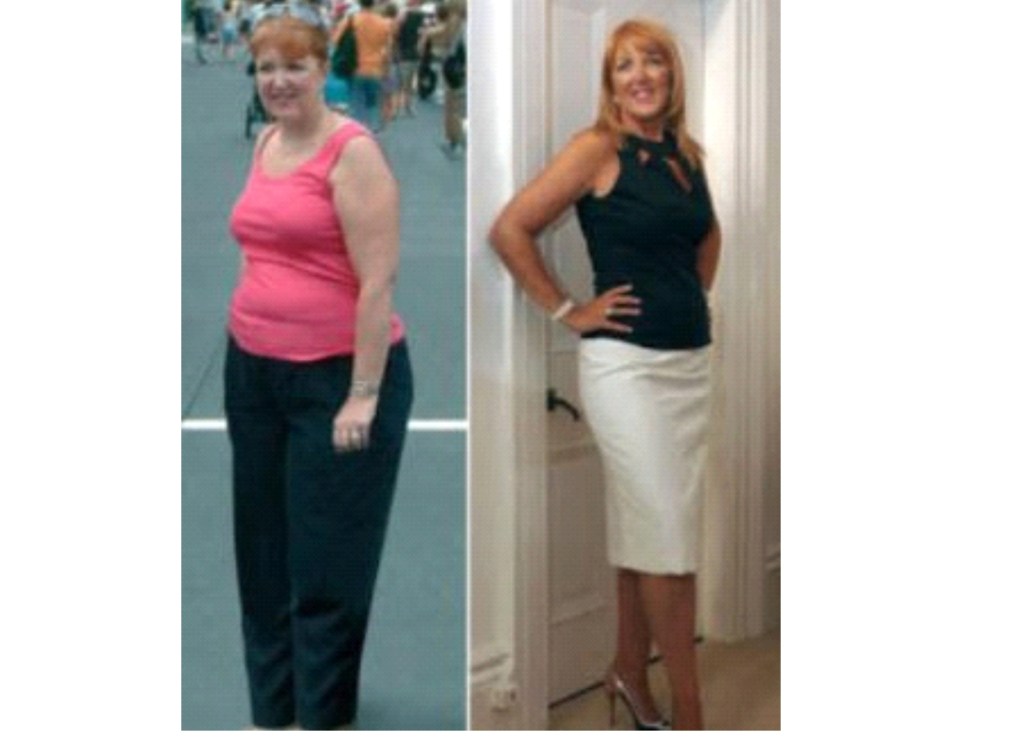
Crazy transformation, right? Well… If you want to see results like this, then you need to follow in Patricia’s footsteps click here

 Health And Fitness